
What Causes Peripheral Artery Disease?
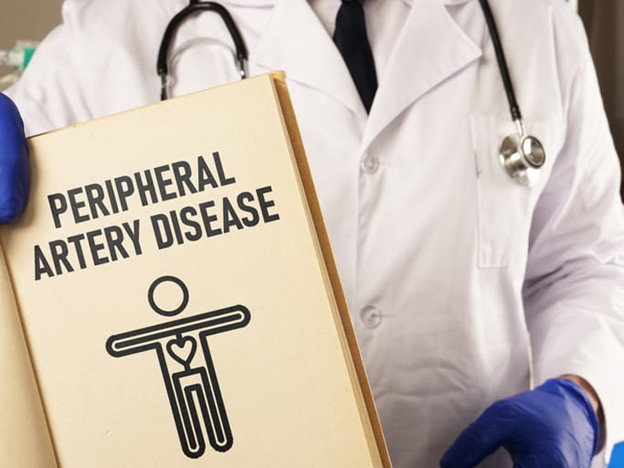
Peripheral artery disease, also known by the acronym PAD, affects millions of people around the world each year and thousands right here in Nevada.
PAD happens when arteries become narrowed or blocked, usually in the limbs. It most often happens in the legs, and this restriction in blood flow often results in pain, mobility issues, and serious health complications, including losing the limb.
However, peripheral artery disease is treatable, especially when caught early. Early screening can also help prevent the condition altogether when paired with lifestyle changes, medication, and other interventions.
One of the best methods to understand your risk for PAD is through a comprehensive cardiovascular screening, including the Ankle-Brachial Index, offered right here at Preventative Diagnostic Center in Las Vegas.
Book Your Non-Invasive Scan >>
Peripheral Artery Disease Causes
The primary cause of peripheral artery disease is a condition called atherosclerosis. This condition happens when fat, plaque, and other debris build up in the blood vessels, and, in this case, in the limbs. Atherosclerosis is also often at the root of coronary artery disease, heart attacks, and strokes.
This buildup of plaque narrows the arteries, starving body parts, such as arms, hands, legs, and feet, of oxygen. This plaque buildup, as well as other factors, like smoking, can also cause blood vessels to harden and lose their flexibility, further contributing to restrictions or blockages.
PAD can also be caused by some other conditions, including injury or anatomical abnormalities, but atherosclerosis is by far the main cause.
Early detection through scans can help prevent or treat the condition.
What Are the Most Common Risk Factors for PAD?
Like heart attack and stroke, many lifestyle factors increase your risk for peripheral artery disease. People over 50 are also at greater risk.
Risk factors include:
- Smoking or having smoked in the past
- A sedentary lifestyle
- A diet high in fats and red meat
- High cholesterol
- Diabetes
- Obesity
- High blood pressure
- Family history of cardiovascular disease, such as stroke or heart attack
If you’re over 50, and especially if you have any of these risk factors, getting a scan is easy and modestly priced. It could save your life and limbs.
What Are the Early Symptoms of Peripheral Artery Disease?
Like heart attack and stroke, unfortunately there are often no symptoms of PAD, or the symptoms that do show may be easily explained away. The disease is also often progressive, meaning it gets worse over time, and as blood vessels become more restricted, symptoms may appear or worsen.
Early-stage symptoms include:
- Pain in the legs while walking or standing
- A feeling of coldness in the legs, feet, arms, and hands
- Numbness or weakness in the limbs
- Difficulty standing
- Wounds that heal slowly on the limbs
- Changes in skin color
- Hair loss on the limbs
If you have any of these symptoms, you should speak with your doctor right away or schedule a scan or evaluation for PAD. Even mild symptoms should be inspected, as early detection can save a great deal of difficulty later.
How Is Peripheral Artery Disease Diagnosed and What Tests Are Used To Detect PAD?
The best way to detect peripheral artery disease is through cardiovascular scans and imaging of the kind available at Preventative Diagnostic Center. Physical examinations and medical history also play a role.
The most important test to diagnose the disease is called an Ankle-Brachial Index. With this test, your blood pressure will be measured both at your arm and on your ankle. If there is a difference, circulation may be reduced.
Additional imaging, such as ultrasounds, may provide insight as well.
How Can Early Detection Help Prevent Complications?
Early detection not only prevents complications but saves lives. In nearly every case, when PAD and ancillary conditions, such as Atherosclerosis, are diagnosed early, they can be treated before they become a larger problem.
Through medical and lifestyle interventions, PAD can slow progression or even significantly mitigate the disease. Knowing is always better. By addressing the condition and its underlying causes early, you can take steps to be there for your family for years to come.
Where Can Patients in Las Vegas Receive Diagnostic Testing for Peripheral Artery Disease?
Patients are welcome to schedule a scan right here at Preventative Diagnostic Center. You’re welcome to book a scan online, or contact us by phone or email to set up an appointment. We’re also happy to answer any questions you may have.
Patients love our convenient Las Vegas location, our transparent and modest pricing, and the compassion and knowledge we provide to each and every one of our patients.