
Lung Cancer Symptoms and Prevention
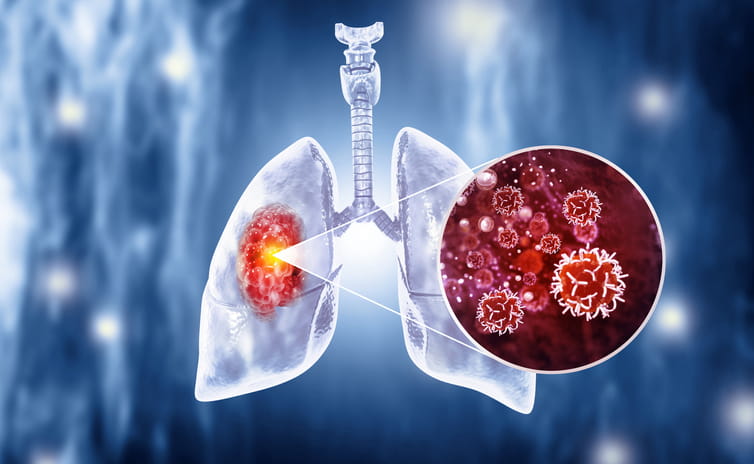
Did you know that currently lung cancer is the leading cause of cancer deaths in the United States? Luckily, because of awareness about the dangers of smoking and advances in techniques for early detection and treatment, the number of new lung cancer cases continue to decline.
Keep reading to learn more about lung cancer symptoms and what you can do to be proactive against lung cancer.
Schedule Your Scan.
What Are Lung Cancer Symptoms?
According to the Cleveland Clinic, one of the first signs of lung cancer can be a cough that continues to come back, even after treatment.
The following symptoms can be signs of lung disease and/or lung cancer symptoms:
- Shortness of breath.
- A persistent cough that doesn’t go away (will likely get worse over time).
- Pain or discomfort in the chest.
- Coughing up blood (even if it’s a small amount).
- Hoarseness.
- Wheezing.
- Lack of appetite.
- Abnormal fatigue.
- Pain in the shoulder.
- Swelling in the face, neck, arms, or upper chest.
Can You Have Lung Cancer Without Symptoms?
Yes. Most lung cancer symptoms are not present until the cancer is advanced, according to the Cleveland Clinic.
How Can I Prevent Lung Cancer?
While there is no way to definitively prevent cancer, the following lifestyle modifications are the best ways to reduce your risk of developing lung cancer:
- Quit smoking (or never start smoking).
- Avoid secondhand smoke and tobacco products of any kind.
- Have your home tested for radon gas.
- Avoid carcinogens and toxic chemicals.
- Ensure your workplace is taking the proper precautions against toxic materials.
- Eat a healthy diet rich in fruits and vegetables.
- Get regular exercise (ideally, daily) — regular exercise has been linked to lower cancer risk.
Related: Cancer Rates Among Construction Workers.
Are Preventative Screenings Recommended?
Preventative screenings with a low-dose CT scan are recommended for patients between the ages of 50-80, who currently smoke or used to smoke with a history of a 20-pack-year or more. It’s always important to discuss your risk factors with your doctor to make the best decision about whether preventative screening is right for you.
If you’re looking for options in Las Vegas for getting a low-dose CT scan of your lungs, check out Preventative Diagnostic Center. Here you can get low-dose CT scans without a prescription at affordable prices.
What Factors Increase Your Risk of Lung Cancer?
According to the Mayo Clinic, there are many factors that increase the risk of lung cancer, such as:
- Smoking.
- Exposure to secondhand smoke.
- Exposure to unsafe radon levels.
- Exposure to carcinogens, such as asbestos, arsenic, chromium, and nickel.
- A family history of lung cancer.
What If I Already Have Lung Problems — Does This Increase My Risk of Lung Cancer?
Lung problems such as COPD (chronic obstructive pulmonary disease) or asthma do increase the risk of developing lung cancer. Unfortunately, the symptoms of these lung problems can also mask the early warning signs of lung cancer. Anyone who has a chronic lung condition should be extra vigilant in managing their risk factors for lung cancer and talking to their doctor about their screening options.
How Does Smoking Affect My Lung Cancer Risk?
Smoking is the biggest risk factor for lung cancer and is thought to be the cause for up to 70% of lung cancer cases. Luckily, it’s never too late to quit smoking, as it only takes a decade of smoking cessation to cut your risk of lung cancer in half. Talk to your doctor about strategies for quitting smoking as soon as possible.
What Role Does Genetics Play in a Lung Cancer Diagnosis?
If you have a family member who has been diagnosed with lung cancer, it is very important that you mention this to your doctor as part of your medical history. This way, they can better calculate when/if preventative measures should be taken. People with a child, siblings, or parents who have been diagnosed with lung cancer have a higher risk of developing lung cancer as well.
How Is Lung Cancer Diagnosed?
Lung cancer is often diagnosed with multiple tests. Initially, testing for lung cancer comes up when you undergo a physical exam and discuss any lung disease symptoms you may have. Your doctor will listen to your heart and lungs, and you will likely be given blood tests and an X-ray of your chest.
If a problem is suspected, further imaging will likely be ordered such as:
- A CT scan
- A PET/CT scan
- A biopsy
The Mayo Clinic notes that a CT scan is a better scan for showing lung cancer in its earlier stages.
What Are the Different Types of Lung Cancer?
According to the American Lung Association, the two main and most common types of lung cancer are:
Small Cell Lung Cancer
Small cell lung cancer has two different types, small cell carcinoma (also known as oat cell cancer) and combined small cell carcinoma. This type of cancer tends to spread quicker than non-small cell lung cancer and is nearly always associated with smoking.
Non-Small Cell Lung Cancer
Non-small cell lung cancer makes up roughly 80% of all lung cancer cases. It doesn’t spread or grow as quickly as small cell cancer and is categorized into three categories:
- Adenocarcinoma: This type grows in the outer layer of the lung in the cells of the epithelial tissues (the lining of the lung cavities and glands).
- Squamous cell carcinoma: This type grows in the center of the lung near the bronchus (an air tube).
- Large cell carcinoma: This type can grow in any part of the lung and tends to spread and grow at faster rates than the other two.
What About Less Common Types of Lung Cancer?
The American Lung Association notes that there are variations of the two main types of lung cancer that are less common, which are called:
- Pancoast tumors: This type of tumor is usually a non-small cell cancer that grows in the upper part of the lung. These types of tumors may be caused by lymphoma (cancer located in the nearby lymph nodes) or tuberculosis.
- Lung carcinoid tumors: This is a very rare type of tumor made up of neuroendocrine cells. Generally, this type of tumor is very slow-growing and will likely be removed through surgery.
While the majority of lung cancer symptoms won’t be present until the disease has already progressed, it is still important to be vigilant about your lung health. This is true for everybody but is especially true for people who smoke and/or have other risk factors for lung cancer. If you have risk factors, it’s very important to bring them up with your doctor and discuss whether or not screening could benefit you.