
Why You Should Get Your Blood Tested Regularly
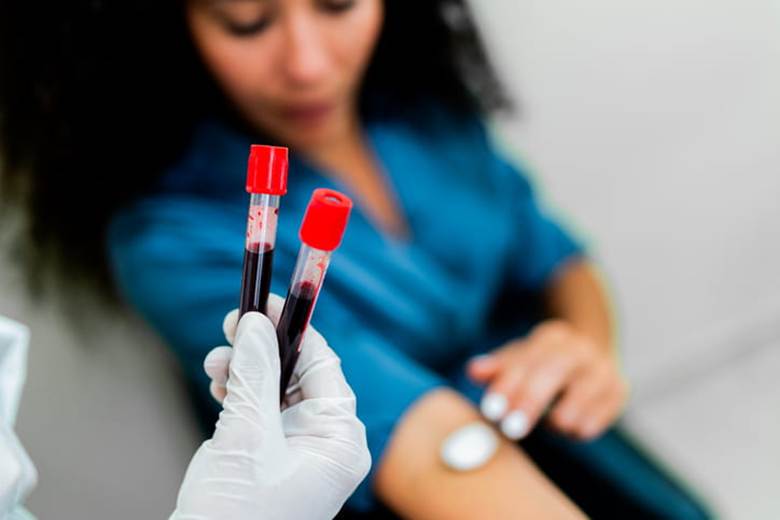
Receiving routine blood testing is one of the easiest ways to give your doctor a better idea of your overall health status and your future disease risk. Keep reading to discover all the reasons to get your blood tested.
Schedule Your Scan >>
What Is a Blood Test?
According to The Cleveland Clinic, blood tests are used to help doctors better understand what’s happening inside your body, to help diagnose you if you’re experiencing unexplained symptoms, and to give your doctor a baseline for the state of your health.
Why You Need To Get Blood Work Done — Even if You Feel Healthy
Regularly getting blood work helps doctors catch anything potentially concerning before symptoms even appear. Having blood work done also gives your doctor an idea about what is normal and healthy for you to compare to if you ever begin to experience unexplained symptoms.
Blood tests are routinely ordered by doctors as part of routine checkups to:
- Monitor your liver, kidney, and thyroid function
- Monitor your cardiovascular health
- Monitor your metabolic health (test blood glucose to screen for diabetes, for example)
- Monitor your blood health and immune system health
- Monitor your electrolytes and enzymes
- Track biomarkers to catch diseases early
Blood Tests That May Be Necessary To Check for Other Issues
Here are some additional blood tests that may need to be ordered to check for other health concerns:
- Specialized testing for genetic factors that can contribute to cancer risk
- Testing nutritional levels for deficiencies
- Hormone testing for reproductive/fertility-related issues
- Testing hormones for other unexplained symptoms
- Tests to identify inflammation in the body (generally these are used to check for signs of autoimmune disease)
- Test to monitor your thyroid health, such as TSH, T3, and T4 (when symptoms are present)
Who Needs To Get Blood Work Done?
Everybody needs to have their blood tested from time to time. What type of blood testing you should get varies based on your medical history and what symptoms you may be having.
How Often Should You Get Bloodwork Done?
How frequently you get blood work done depends on multiple factors, including:
- Your age
- Your current health status
- Your medical history
- Your family history
- If you have risk factors for certain diseases or genetic conditions
- If you’re experiencing new or unexplained symptoms
- If you’re on certain medications
- Which blood tests your doctor thinks you need
Doctors will routinely request blood work during routine physical examinations (which should be happening annually). But it’s not uncommon to go a few years without blood work, if you’re otherwise healthy and not experiencing any unexplained symptoms.
What Blood Tests Should I Consider?
It’s important to note that blood tests do not mean you have a disease, nor do they offer an official diagnosis. You should always consult your doctor about what your test results mean for your health.
Cardiovascular Health Screenings
The American Heart Association recommends that every adult has their cholesterol and triglycerides checked every five years beginning at 19 to assess heart disease risk. The Mayo Clinic notes that testing for other substances in your blood, such as High-sensitivity CRP, Lipoprotein (a), ceramides, etc., is also done to assess heart disease risk or to help diagnose damage that may have already started in those already at risk for heart disease.
A Comprehensive Metabolic Panel (CMP)
A comprehensive metabolic panel (CMP) is a routine blood test that measures multiple important substances in your blood, such as electrolytes, glucose, and various other proteins. This test gives doctors important information about the following:
- How well your liver and kidneys are functioning
- What your blood sugar levels are
- If fluids and electrolytes are balanced
- If you’re on medication, it can tell them how your body is responding
Complete Blood Count (CBC)
A complete blood count (CBC) test is generally recommended for most patients at some point during routine exams. A CBC blood test measures the amount of red blood cells, hemoglobin (carries oxygen in your blood), white blood cells, and platelets (needed for clotting). This test helps doctors:
- Assess how healthy your blood is
- See if there’s anything concerning with your immune system
- Monitor for signs of infection
- Diagnose certain medical conditions
Blood Sugar Screening
The CDC recommends that everyone over 45 (younger is you have risk factors) get an A1C test as part of routine physical examinations. An A1C test measures your average blood glucose number over the past three months. This helps doctors better assess your likelihood of developing diabetes in the future.
Getting blood work done also helps your doctor get the full picture of your overall health and disease risk. For more information on preventive screening tests, contact us at Preventative Diagnostic Center.