
What Medical Tests Are Used To Assess Heart Disease Risk?
Heart disease is one of the leading causes of death, both in the United States and worldwide. While heart disease is often associated with older adults, risk factors begin much earlier in life as lifestyle factors play a significant role in the development of the condition.
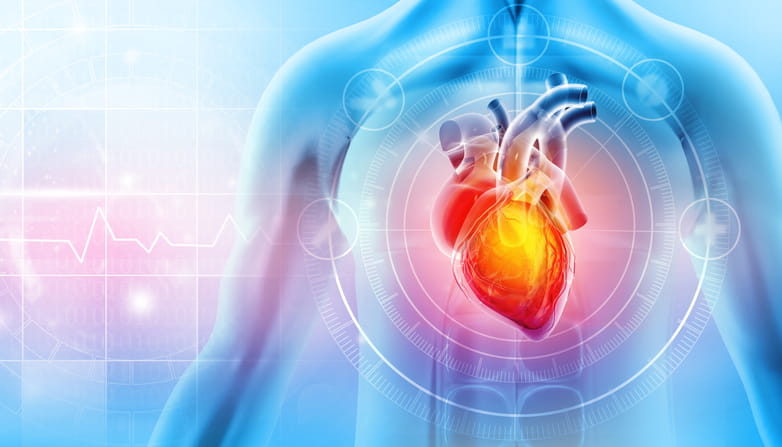
Luckily, with some common-sense changes to your lifestyle, sufficient knowledge, and early preventative screening, you can decrease your risk of heart disease significantly.
Below, we’ll look at some of the most significant heart disease risk factors and help you understand best practices to avoid this deadly disease.
Schedule your CT scan.
What Is Heart Disease?
Heart disease is a general term used to describe a variety of conditions that affect the heart.
The most common include:
- Coronary artery disease
- Coronary heart disease
- Heart attack
- Heart failure
- Heart valve disease
- Peripheral arterial disease
- Rheumatic heart disease
The most common form of heart disease is the narrowing or blockage of blood vessels with plaque, which is the cause of most heart attacks and strokes.
What Are the Common Symptoms of Heart Disease?
Heart disease symptoms can be subtle or absent and are not always clearly recognizable. In some cases, they can be different for men and women or different based on what type of heart disease is present.
Some of the most common symptoms to look out for include:
- Chest pain
- Coughing
- Fatigue
- Heart palpitations
- Loss of consciousness
- Numb feet or legs
- Shortness of breath
- Skin color changes
- Swollen ankles, feet, or legs
- Wheezing
It’s also important to understand that people with chronic conditions and women may experience more subtle symptoms or none until a crisis like a heart attack occurs.
Who Is Considered at High Risk for Heart Disease?
There are certain groups of people who have a heightened risk of heart disease.
This includes those who:
- Have high blood pressure or high cholesterol.
- Smoke or use tobacco products.
- Are overweight or obese.
- Have a sedentary lifestyle.
- Have diabetes.
- Have a family history of heart disease.
- Are over the age of 45.
If multiple of these factors are present in your life, your risk will consequently be higher as well.
How Does Family History Affect the Risk of Heart Disease?
If you have a close family member who has heart disease, your risk for developing the condition is higher as well. Genetics play a significant role in heart disease, such as how your body processes cholesterol, how you deal with stress, and how you regulate blood pressure.
How Does Age Influence the Risk of Heart Disease?
Age is perhaps the largest risk factor for heart disease, in part because many of the other risk factors accumulate with age. As we grow older, our bodies lose some of their ability to adapt and heal.
Heart disease is much more prevalent in men over 45 years old and women after menopause.
High Blood Pressure and Heart Disease
High blood pressure is another major contributing factor to heart disease. Hypertension forces the heart to work harder and puts strain on blood vessels and arteries. Over time, this can increase the risk for heart attack and stroke, as well as other associated conditions.
Importantly, high blood pressure often shows no symptoms. It is important that you monitor your blood pressure regularly.
What Role Does Cholesterol Play in Heart Disease Risk?
Cholesterol is a fatty substance found in the blood made by the liver, as well as eaten with many animal products. Cholesterol is the primary cause of heart attacks and strokes. Over time, it can build up in your arteries, eventually blocking them.
There are two types of cholesterol in the blood: HDL (good) cholesterol and LDL (bad) cholesterol. A lipid panel can tell you how much of each you have and help identify your risk for these conditions. Both high LDL and low HDL cholesterol can be risk factors.
How Does Smoking Increase the Risk of Heart Disease?
Smoking is one of the worst things you can do for your health overall, and it significantly increases the risk of heart disease. Smoking causes vascular damage, plaque buildup, and increases clot risk in longtime smokers, as well as increases blood pressure and heart rate.
Quitting smoking is one of the best things you can do for your body and for your risk of heart disease.
Diabetes: How It Impacts the Risk of Developing Heart Disease
People who have diabetes are at an increased risk of heart disease. The high blood sugar associated with diabetes can damage blood vessels, as well as the heart and other organs.
Diabetes additionally often presents with other risk factors for heart disease, including obesity, high cholesterol, and high blood pressure. Properly managing the condition is essential for reducing the risk of heart disease later in life.
What Dietary Habits Can Contribute to Heart Disease?
The diet you choose, both when you are young and aging, contributes significantly to heart disease risk. The good news is, with good choices, you can significantly minimize your risk.
For a heart healthy diet, limit saturated fat, processed foods, and added sugars. Focus on eating whole foods, leafy and other green vegetables, fruits, whole grains, and lean or vegetarian protein.
Two easy ways to limit undesirable foods are to eliminate sugary soft drinks and limit highly processed foods. Cooking at home more often is a great way to better understand what you’re eating.
What Are the Differences in Heart Disease Risk Between Men and Women?
There are some key differences in heart disease between men and women.
Men tend to develop heart disease earlier than women do and should consider screening starting at 45 years old. Women’s risk for heart disease increases after menopause, due to hormonal changes in the body. After menopause, women should consider additional screening.
Symptoms usually present differently in men and women as well.
Women may experience atypical symptoms more often, such as:
- Nausea
- Fatigue
- Back pain
- Shortness of breath
- Dizziness
- Pain in the jaw, neck, or throat
It’s important to note that symptoms and risk patterns vary individually. It is important to screen early and often so that lifestyle changes or medical interventions may take place before a crisis happens.
How Does Stress Influence Heart Disease Risk?
Chronic stress is one of the most important risk factors when it comes to the development of heart disease. Science is only just now beginning to understand the profound impact of stress on the body, but it is clear that there is a strong connection between stress and heart disease.
While stress hormones such as cortisol directly affect the nervous and cardiovascular system, stress can also increase the use of unhealthy coping mechanisms. Managing stress positively is a key factor in limiting heart disease. Healthy coping mechanisms include exercise, meditation, and even simple tools, such as walking.
Reducing the Risk of Heart Disease With Lifestyle Changes
While heart disease can be a scary prospect, many of the most important risk factors can be reduced by making simple lifestyle choices.
If you’d like to lower your risk of heart disease, consider:
- Eating a better diet. Choose whole foods, including vegetables and fruits, and limit processed foods, added sugar, and saturated fat.
- Lose weight and maintain a healthy weight.
- Quit smoking and vaping and using other tobacco products.
- Manage stress with healthy coping strategies, such as exercise and meditation.
- Get tested for heart disease early and often. Preventative Diagnostic Center can help.
Many small changes can add up to one large one. By making small, consistent changes, you can lower your risk of heart disease significantly.
How Can Physical Activity Lower the Risk of Heart Disease?
Physical activity is one of the best ways to reduce your risk of heart disease. Even moderate activity, such as briskly walking at least 30 minutes every day, can decrease your risk for heart disease. Exercise can help lower blood pressure, cholesterol levels, manage stress, and much more.
What Medical Tests Are Used To Assess Heart Disease Risk?
Preventative Diagnostic Center offers a helpful heart scan to assess heart disease risk. This low-dose CT scan will help you be confident you’ll get a clear picture of your heart, valves, and arteries. A heart disease scan can also identify blockages and other issues if you have physiological factors that increase your risk of heart disease.
For your longevity and health, call Preventative Diagnostic Center today.