
What Getting Your Blood Work Done Can Tell You About Your Health
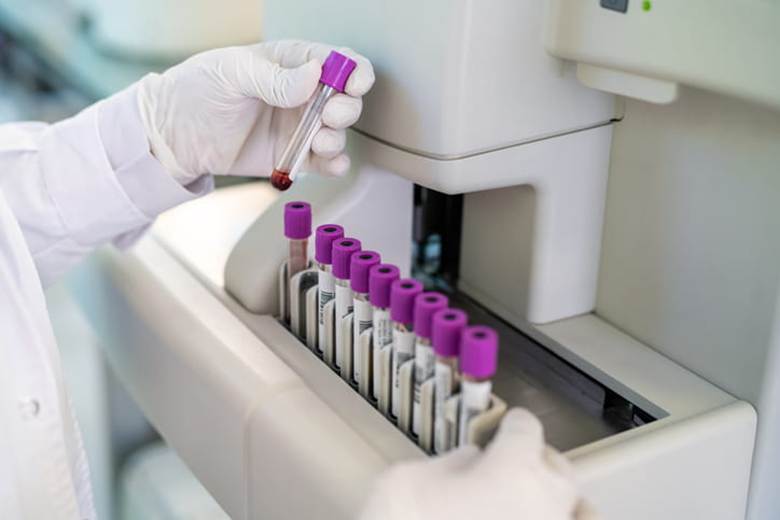
Blood tests are routine medical tests. They can be ordered when you:
- Exhibit symptoms of a health problem
- Have a physical
- Have an increased risk of developing specific health issues
- Receive treatment for a health condition
While imaging tests look at physical structures inside your body, such as organs and bones, blood tests measure biomarkers and chemical levels in your blood.
Book Your Non-Invasive Scan.
What Does a Blood Test Tell You About Your Health?
What shows in a blood test can indicate if your blood is performing normally. Blood tests can also reveal issues with enzyme and electrolyte levels.
CBC Tests
What would a complete blood count (CBC) test show? A CBC provides details about the number and size of your red and white blood cells and platelets.
Tests assessing your platelet count can indicate when you may have trouble forming blood clots. Issues with your platelet count can indicate serious health issues, such as:
Tests assessing your platelet count can indicate if your blood has trouble clotting. Issues with your platelet count can indicate serious health issues, such as:
- Anemia
- Cancer
- Crohn’s disease
- Rheumatoid arthritis
Tests that assess your red blood cells can also indicate blood disorders or cancer.
White blood count tests can indicate other health issues, such as immune system diseases, infections, inflammatory diseases, and cancer.
What Is a Biomarker?
Biomarkers are measurable substances or processes. Blood tests that utilize biomarkers include the following:
- Cholesterol (LDL, HDL, and ApoB) can reveal the risk of plaque buildup in your arteries. ApoB and Lipoprotein(a) are the most accurate biomarkers indicating the risk of heart disease or stroke.
- C-Reactive Protein (CRP) indicates inflammation due to illness or injury.
- Glucose tests can reveal if your blood sugar levels are too high or low and are used to diagnose certain conditions, such as diabetes and hypoglycemia.
Can Biomarkers Change Over Time?
Biomarkers can change. Changes may be due to aging, disease progression, or medical treatments.
What Does A1C Tell You?
An A1C test measures the average level of your blood sugar over the past few months. It can indicate that you have prediabetes or diabetes.
What Does Insulin Tell You?
A fasting insulin blood test can indicate the following issues:
- Hypoglycemia
- Insulin resistance
- Tumor in pancreas affecting insulin production
- Type 2 diabetes
What Can Blood Tests Tell You About Thyroid Health?
Measuring your thyroid-stimulating hormone (TSH) and thyroxine (T4) levels can indicate hypothyroidism or hyperthyroidism.
Additional tests measuring triiodothyronine (T3) can indicate whether your metabolism is functioning correctly.
What Can Blood Tests Tell You About Your Pancreas?
Measuring your lipase levels can indicate injury or illness affecting the pancreas, such as pancreatitis.
What Can Blood Tests Tell You About Hormone Levels?
Blood tests can reveal high or low levels of hormones that regulate thyroid function. Tests can also measure the number of other hormones, including:
- Estrogen
- Testosterone
These measurements may indicate fertility issues in men and women. Issues with estrogen levels can also indicate other health issues, such as menopause, liver disease, and polycystic ovary syndrome. Issues with testosterone levels may indicate erectile dysfunction, low muscle mass, or anemia.
Can Blood Tests Identify Nutrient Deficiencies?
Blood tests can reveal nutrient deficiencies.
Ferritin and iron panels can reveal an iron deficiency. A total iron-binding capacity (TIBC) test measures transferrin levels. Transferrin carries the iron through your blood. Too much transferrin can indicate low iron levels, while too little transferrin can indicate high iron levels.
A vitamin D deficiency weakens your immune system, making you more likely to get sick. It can also cause fatigue, back pain, muscle weakness and bone weakening.
What Can Blood Tests Tell You About Liver and Kidney Health?
Blood tests assessing liver health can indicate the following:
- Blocked bile ducts
- Liver disease
- Liver inflammation
- Liver injury
Blood tests assessing kidney health can indicate issues with chloride, creatinine,sodium, and potassium levels, which can indicate that the kidneys aren’t functioning properly.
How Accurate Are Blood Tests?
Blood tests are fairly accurate. However, any test can produce a false positive or false negative.
What Can Affect Blood Test Results?
Things that can affect the accuracy of your blood test results include:
- Beverages
- Caffeine
- Dehydration
- Foods
- Medications
- Menstruating
- Strenuous exercise
- Stress
- Supplements
- Time of test
Incorrect testing procedures can also affect test results.
Do You Need To Fast Before a Blood Test?
You will receive instructions when your blood test is scheduled. These instructions may include directions to:
- Avoid excessive exercise: Don’t do any strenuous workouts for a full day before your test because exercise can affect hormone levels, blood sugar, lipids, liver enzymes, and muscle enzymes.
- Drink water: Hydration levels can affect test results.
- Fast: For example, if you’re having a test to check your cholesterol or lipid markers, you may need to fast for up to 12 hours.
You also should not chew gum, smoke, or take some supplements before your blood test.
What Does an Abnormal Blood Test Result Mean?
An abnormal blood test may or may not mean there’s a health problem. The result could be due to dehydration or lack of sleep. Your doctor can help determine whether your readings fall outside the typical range or indicate a health issue.
What Happens After You Receive Your Results?
You should receive results within 48 hours of your test. Talk to your doctor about the results. You may have to go for additional tests to confirm or rule out potential health issues.
What Blood Tests at Preventative Diagnostic Center Can Reveal About Your Health
Getting blood tests at Preventative Diagnostic Center can reveal critical information about your overall health. Test results may indicate issues with blood flow, nutrient deficiencies, or injuries or illnesses affecting specific organs. You can contact us to schedule a blood test.
Preventative Diagnostic Center also performs non-invasive scans.