
How To Reduce Visceral Fat and How To Measure It
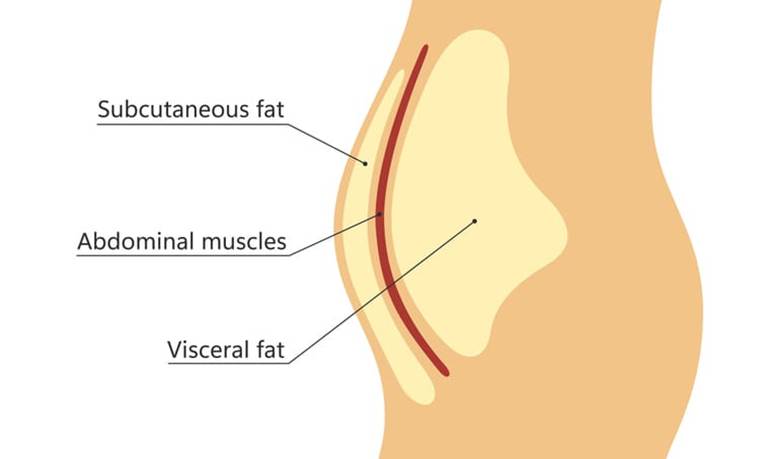
“Fat” is often used as an insult, thought of negatively, and treated as something to avoid in your diet. However, there are different types of fats, and the human body needs some because they provide the nutrients it requires.
The types of fat found in your body include:
- Brown
- White
- Subcutaneous
- Visceral
These types of fat are determined by their location. Understanding what visceral fat is and where it is located in your body will help you understand the health risks associated with high levels of visceral fat.
Schedule Your Scan.
What Is Visceral Fat?
Visceral fat is often referred to as stomach, belly, or abdominal fat. It’s found around your organs. An appropriate amount of visceral fat supports your heart, intestines, stomach, and several other organs.
However, your visceral fat measurement is what you should focus on when determining whether you have an unhealthy amount because excess visceral fat impairs organ function. High levels of visceral fat pose an increased risk of developing serious health conditions.
Why Is Visceral Fat Harmful? What Health Risks Are Associated With Visceral Fat?
Visceral fat is harmful when the amount you have prevents your organs from functioning correctly. An unhealthy amount of visceral fat increases your risk of several health issues, including:
- Alzheimer’s disease
- Cancer
- Diabetes (Type 2)
- Heart disease
- Sleep apnea
- Stroke
People with too much visceral fat are also likely to suffer from high cholesterol, which increases the risks of several serious health issues or events, including:
- Angina
- Cardiovascular disease
- Heart attack
- Stroke
How Can Diet and Exercise Help Reduce Visceral Fat?
Fat is a byproduct of basic mathematics. When you consume more calories than you burn, your body stores them as fat. The more calories your body stores in your fat cells, the larger your fat cells get.
Reducing the number of calories you consume through dietary changes and increasing your calorie burn by staying active will help reduce your visceral fat levels.
Reducing Visceral Fat Through Your Diet
You can help prevent weight gain by maintaining a healthy diet and staying active. If you have too much visceral fat for your body composition, it’s crucial to understand how to reduce visceral fat.
Adjusting your diet will help because your body uses fat stores for energy when it doesn’t have enough calories to meet its energy needs.
Healthy dietary choices include eating:
- Fish (in moderation)
- Fruits
- Nuts (in moderation)
- Vegetables
- Whole grains
Fish and nuts contain monounsaturated and polyunsaturated fats, which is why they should be consumed in moderation.
Other things you should limit your consumption of include:
- Alcohol
- Butter
- Cheese
- Processed meat
Things you should eliminate from your diet include:
- Deep-fried foods
- Sugary drinks
- White bread
In addition to changing what you eat, you can help reduce visceral fat by managing your portion sizes. Reducing portion sizes helps reduce your caloric intake because your body will consume stored fat.
Reducing Your Visceral Fat by Staying Active
The more active you are, the more calories you burn. You will lose weight and visceral fat if you burn more calories than you consume.
You can increase your activity levels by finding ways to get steps in throughout the day. For example, you could put your printer across the room, so you have to get up to retrieve printouts. Or, if you have a sedentary job, you can use a standing desk.
Depending on your fitness level, you may be concerned about joint strain. Effective ways to exercise without causing joint strain include:
- Cycling
- Swimming
While all exercise burns calories, some exercises burn more calories than others. Effective calorie-burning exercises include:
- Aerobics
- Brisk or incline walking
- Cycling
- Swimming
- Weight training
Aerobics, strength training, and core strengthening exercises are also effective for targeting belly fat.
How Is Visceral Fat Measured?
Since there are different types of fats, and some of the fat around your stomach is subcutaneous, not visceral, you may wonder how to measure visceral fat accurately.
Although checking your waist measurement and waist-to-height ratio can give you an idea if you have too much visceral fat, the most effective way to measure visceral fat is with a DEXA scan. DEXA scans provide detailed information about the location, type, and amount of fat on your body.
DEXA scans are short scans that involve having a wand passed over your body. You lie on a table and remain in one place; you do not enter a tube during the scan.
Why Isn’t BMI Enough To Measure Visceral Fat?
Your body mass index (BMI) considers your weight and height, but it does not provide detailed information about your body’s composition. The amount of muscle you have, and the location of your fat are crucial factors when determining how much visceral fat you have.
How Can a DEXA Scan Help Track Visceral Fat?
DEXA scans provide the detailed information you need to measure your visceral fat. DEXA scans provide information about how much muscle you have, giving you information to accurately compare the amount of muscle on your body to fat.
DEXA scans also show where your fat is located and how much fat you have around your organs, giving you an accurate assessment of your visceral fat.
If you’re concerned about your health, you can contact us. Preventative Diagnostic Center offers DEXA scans that provide the detailed information you need to measure your visceral fat levels.