
7 Health Tips for Men Over 50
It’s no secret that age can have quite an impact on your health and wellbeing. However, getting older doesn’t necessarily mean that men over the age of 50 are destined for an unhealthy future.


It’s no secret that age can have quite an impact on your health and wellbeing. However, getting older doesn’t necessarily mean that men over the age of 50 are destined for an unhealthy future.
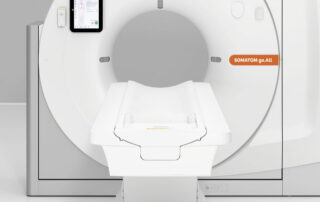
The two primary medical tests used to diagnose internal damage are the CT scan and MRI. These scans may seem very similar to non-medical professionals, but they are actually quite different.
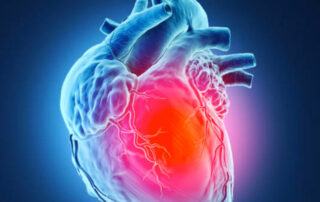
Heart disease affects millions of Americans every year and is the leading cause of death for both men and women in the United States. Unfortunately, many people choose to ignore signs and symptoms until it's too late to reverse the damage to the heart and cardiovascular system.
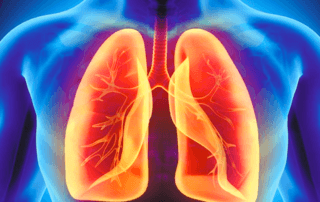
Several types of lung disease can affect the delicate respiratory system. With the help of a low-dose lung CT scan, doctors get a clear picture of your lungs to spot the disorder you're experiencing and the best way to go about treating it.
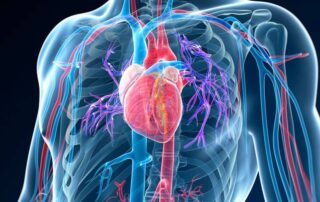
A heart CT scan shows detailed images of your arteries, aorta, heart and valves, so that healthcare professionals can measure your heart health without an invasive or lengthy procedure. The scan specifically looks for problems like calcium and cholesterol buildup, blockages and inflammation
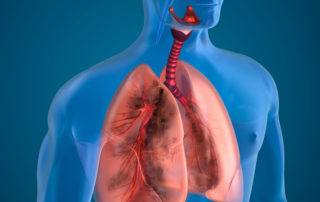
CT scans offer more in-depth and detailed views of the inside of the body when compared to typical x-rays. In particular, a low-dose CT scanner uses a minimal amount of radiation to produce high-quality images, giving radiologists a clear view of any abnormalities in the lungs.

The goal of a virtual colonoscopy procedure is to screen for any abnormalities or signs of cancer using a less invasive procedure. A virtual colonoscopy uses CT (computed tomography) technology to take a digital image of the inside of your digestive organs, large intestines and rectum.
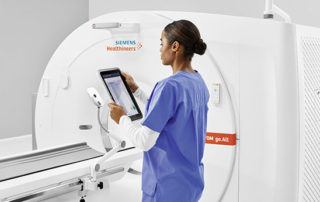
A CT scanner, also known as a CAT scan, is a type of medical imaging device that helps healthcare professionals detect problems in a person’s organs, bones, and other tissues using radiation. A low-dose CT scanner uses less radiation than a typical machine, so it's safer and easier for people to access preventative care.
Also known as a heart scan, a coronary calcium test is done using a CT scan to measure the level of calcified plaque present in the arteries. Before CT scans were available, it was almost impossible to detect arterial plaque without an invasive procedure. Now with the use of a CT scan, calcium will show up as specks of light that can be counted and measured without risky surgery.