
How To Lower the Risk of a Heart Attack
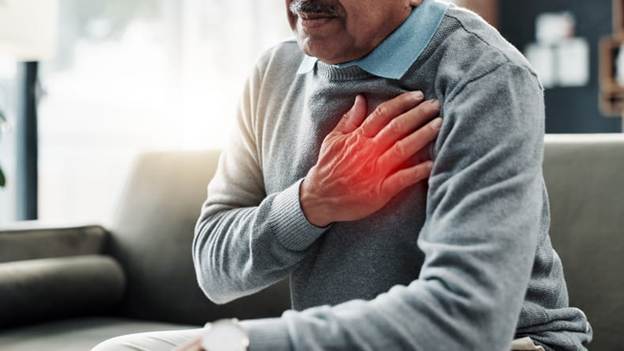
Cardiovascular disease causes as many as one in three of the annual deaths in the U.S. When it comes to heart health, knowing how to lower your risk of heart attack, such as prevention, tends to be the best medicine.
Keep reading to learn more about how to lower your risk of heart disease.
Schedule Your Scan >>
What Is a Heart Attack?
According to the American Heart Association, a heart attack is when the blood flow to the heart muscle is either partially or fully blocked off. When the heart muscle goes without proper blood flow for too long, it begins to die.
What Causes a Heart Attack?
The primary cause of heart attacks is when a buildup of plaque (a substance composed of fat, cholesterol, and other substances) builds up in the coronary arteries that lead to the heart.
This process, also known as atherosclerosis, happens slowly over time and can lead to coronary artery disease (the most common type of heart disease).
What Are the Most Common Risk Factors for Heart Attacks?
According to the Mayo Clinic, the medical conditions that are the most common risk factors for heart disease are:
- High blood pressure
- High cholesterol — specifically, high levels of LDL (“bad cholesterol”) and low levels of HDL (“good cholesterol”)
- High triglycerides
- Diabetes
- Obesity
- Metabolic syndrome
- Family history of heart attack
- An autoimmune condition
The Following Lifestyle Factors Increase Your Risk of a Heart Attack
- Tabacco use
- Not getting enough exercise
- An unhealthy diet (a diet high in sugar, animal fats, processed foods, trans fats, and salt)
- Stress
- Drug use (particularly cocaine and amphetamines)
How To Lower Your Risk of a Heart Attack
The following lifestyle factors can prevent plaque buildup in the coronary arteries and help maintain a healthy heart:
- Quit smoking and avoid secondhand smoke.
- Maintain a healthy weight.
- Maintain a heart-healthy diet.
- Get enough exercise.
- Manage stress.
- Maintain healthy blood pressure, blood lipids, and blood sugar numbers.
- Take all your recommended medications as directed.
- Consider a heart scan.
Early Detection and Heart Scans
Atherosclerosis (plaque buildup in the coronary arteries) seldom has any symptoms, which means that a lot of people may experience a heart attack without ever knowing there was a problem.
Calcium or plaque buildup in the arteries is a major warning sign that can help you avoid a heart attack, if it’s caught in time.
A heart scan and a calcium score scan can detect any problems with your heart before symptoms even occur.
What Is a Heart CT Scan?
A heart CT scan uses X-rays from various angles to create a 3D image of the heart and its’ surrounding structures. As a preventative health scan, this is done to see how much calcium/plaque buildup is present in your coronary arteries and to assess overall heart health.
Why Is Early Detection Important?
Early detection of medical conditions that are risk factors, like high blood pressure or cholesterol, is vital to preventing the irreversible damage they can do to the cardiovascular system.
Receiving early detection of calcium/plaque buildup in the coronary arteries is the only way to prevent further damage and decrease your risk of heart attack and stroke.
Who Should Consider Getting a Heart CT Scan?
Anyone with risk factors who is over 40 should talk to their doctor about whether a heart CT scan could benefit them.
What To Expect From a Heart Scan
Preventative Diagnostic Center uses the state-of-the-art SOMATOM go.All CT scanner for superior low-dose, non-invasive imaging scans.
You can schedule a heart CT scan in Las Vegas at Preventative Diagnostic Center.
Is a Heart Scan Safe?
While all CT scans expose patients to a small dose of radiation, they are still generally considered safe. At Preventative Diagnostic Center, the SOMATOM go.All CT scanner uses the smallest dose of radiation possible (up to 20 times less than typical CT or CAT scanner).
How Long Does a Heart CT Scan Take?
The entirety of the exam takes roughly 10 to 15 minutes, but the actual scan itself is only 10 seconds.
What Do You Need To Do To Prepare for a Heart Scan?
You are advised to wear comfortable, loose-fitting clothing, without any metal, and to remove all your jewelry. Fasting or specific medications are not required, but you should avoid caffeine and other stimulants for at least four hours before your scan.
Learning how to lower your risk of heart attack can help you avoid irreversible damage to your heart.