
When Should Women Get A DEXA Scan?
Both men and women face an increased risk of developing serious health issues as they age; however, women face specific health risks due to hormonal changes during menopause.
Women who want to be proactive about their health benefit from understanding what a DEXA scan is, the reasons for women to get a DEXA scan, and when women should get a DEXA scan.
What Is a DEXA Scan?
DEXA scans are non-invasive scans providing detailed information about your body and bone health. A DEXA scan can identify risk factors for serious health issues, such as bone loss.
Instead of simply considering your body weight, a DEXA scan determines how much muscle and fat you have, what types of fat you have, and whether your body composition puts you at risk of developing chronic medical conditions.
At What Age Should Women Get a DEXA Scan?
Some women can wait until they’re 65 before getting a DEXA scan; however, those with risk factors for osteoporosis may need to have a DEXA scan between the ages of 50 and 64.
Book Your Non-Invasive Scan.
Which Women Should Be Screened Earlier Than Age 65?
Women who have one or more risk factors for osteoporosis may benefit from a DEXA scan between the ages of 50 and 64. Some risk factors cannot be changed, such as your age; however, it is possible to reduce your risk of getting osteoporosis by making some lifestyle changes, such as quitting smoking.
What Risk Factors Increase the Likelihood of Osteoporosis?
Risk factors that increase your chances of getting osteoporosis include:
- Calcium deficiency
- Excessive alcohol consumption
- Family history
- Frequently falling
- Intestinal disorders
- Lack of physical activity
- Loss of height
- Low body weight
- Menopause or hysterectomy
- Multiple sclerosis
- Poor diet
- Recent bone fracture
- Smoking
- Spinal fracture
- Vitamin D deficiency
There are also medications that can increase the risk of osteoporosis, such as some antidepressants, some medications for diabetes, and some steroid hormones.
How Does Menopause Affect Bone Density?
Once you’re postmenopausal, your body has less estrogen. The decrease in the amount of estrogen causes your bone mass to decrease. Losing bone mass makes your bones brittle. Losing bone mass can also make your bones so weak that routine actions, such as coughing, can cause fractures.
Losing bone mass also impacts your balance and increases your risk of falling.
How Often Should Women Get a DEXA Scan?
Women should consider getting a DEXA scan every two years once they’re postmenopausal. However, it may be necessary to have more frequent scans if you have multiple risk factors for osteoporosis.
It’s important to discuss your health with your primary care physician and any changes that could indicate loss of bone mass, such as changes in your posture, falls, and difficulty maintaining your balance.
What Happens During the Scan?
Wear comfortable, loose clothing to your DEXA scan. Avoid wearing clothing with metal, such as buckles or zippers. You may receive specific instructions to stop taking supplements and vitamins before your scan. Follow any instructions you receive, and if you have questions, contact us to ensure you take all the required steps before your appointment.
Once you arrive for your scan, you’ll remove the following:
- Clothes with metal
- Eyeglasses
- Jewelry
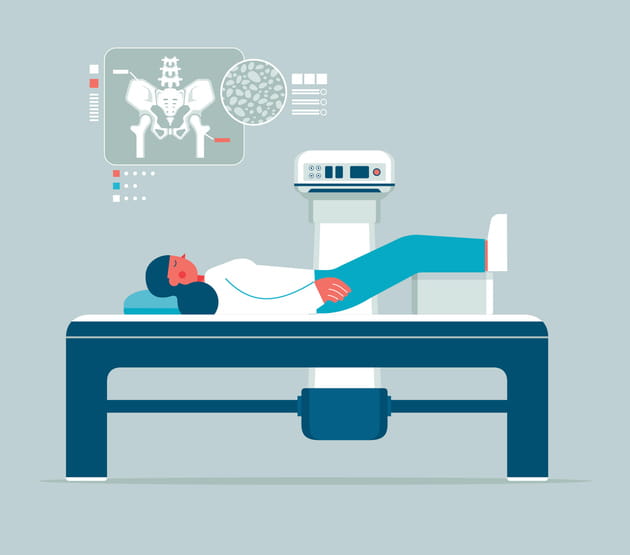
You will then lie on a table during the scan. The lower part of your legs are raised and rest on a large, padded box. Your feet may also be placed in a positioning device to turn them inward, which shifts your hips during the scan.
A wand is then passed over your body to gather images that reveal detailed information about your bone mass and the amount of fat and muscle you have.
How Can Early Detection Help Prevent Fractures?
Diagnosing osteoporosis in its earliest stages allows you to make lifestyle changes that can prevent your condition from worsening. You can also strengthen your bones by increasing the amount of calcium, collagen, magnesium, potassium, and vitamin K in your diet.
An early diagnosis allows your doctor to adjust your medications to prevent bone loss.
Awareness of your condition helps you prioritize fall-prevention strategies to reduce the risk of fractures. This may involve adding safety features to your home, such as grab bars. Additionally, you can reduce your fall risk by ensuring all flooring is secured and eliminating items that could cause you to trip.
How Can a DEXA Scan Also Provide Valuable Body Composition Insights?
DEXA scans provide detailed information about your bone density, which helps determine if you’re experiencing bone loss and are at risk of osteoporosis.
DEXA scans also provide detailed information about how much fat you have and where it is located. This is crucial because the location determines the type of fat, and too much visceral fat increases the likelihood that you will develop severe health issues such as:
- Cancer
- Diabetes
- Heart disease
- Stroke
DEXA scans also gather information about how much muscle you have. Identifying areas where you lack muscle can help you customize an effective exercise program to rebuild your muscle, which can help reduce your risk of falling.
Book Your Non-Invasive DEXA Scan Today
Preventative Diagnostic Center offers non-invasive DEXA scans that provide detailed information about your bone mass, body fat amounts, types and distribution, and muscles. This information can help determine if you’re at risk of developing osteoporosis, heart disease, and other chronic health issues. Women with any risk factors for osteoporosis and who are postmenopausal should consider booking a DEXA scan today.